The Region’s Diplomatic Spotlight Turns to Panama
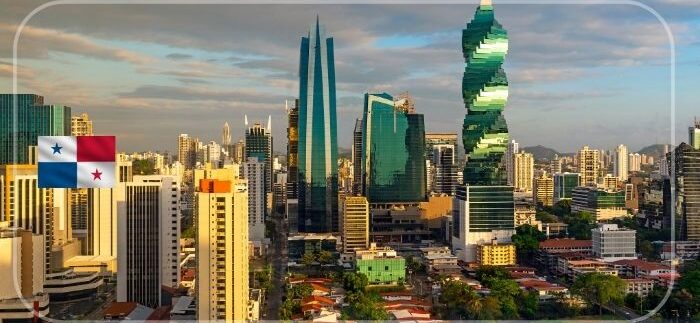
Panama has always been more than a point on the map. It is a crossing point, a meeting place, and one of the few countries in the Americas built around the idea of connection.
That role was on display in June, when Panama hosted one of the most active diplomatic weeks the region has seen in years. The country welcomed presidents, foreign ministers, ambassadors, international organizations, business leaders, and official delegations during the 56th General Assembly of the Organization of American States, better known as the OAS.
For readers outside Latin America, the OAS is the main political forum of the Americas. Its members meet to discuss democracy, human rights, migration, security, development, and regional cooperation. Hosting its General Assembly places a country at the center of regional diplomacy.
For Panama, the timing carried extra weight. The event coincided with the 200th anniversary of the Amphictyonic Congress of Panama, a historic diplomatic meeting held in 1826. It was promoted by Simón Bolívar, one of Latin America’s most important independence leaders, who believed the newly independent nations of the Americas needed a place to meet, cooperate, and defend shared interests. Panama was chosen because of its geography and symbolic position between continents and oceans.
Two centuries later, Panama returned to that same idea: a small country serving as a platform for big regional conversations.
The scale of the week was significant. Official information from the OAS confirms that this was the third time Panama hosted the General Assembly, after previous editions in 1996 and 2007. Reports ahead of the event projected delegations from dozens of countries and international organizations, along with heads of state, more than 30 foreign ministers, ambassadors, media, security teams, and support staff.
This was not only ceremony. It was business tourism, institutional visibility, and international positioning moving at the same time. Hotels, restaurants, transport companies, event producers, security providers, media teams, and hospitality services all become part of the economic activity when a city receives thousands of delegates and dozens of official missions.
The government estimated an operational cost of around $15 million, while officials suggested the economic impact could reach roughly two to three times that amount. That places the possible impact in the range of $40 million to $50 million, a meaningful boost for meetings, events, hospitality, transportation, and professional services.
The historical gesture was also important. Brazil donated to Panama the original records of the 1826 Amphictyonic Congress, returning a key piece of regional diplomatic history to the country where that vision first took shape. The transfer took place in the Salón Bolívar, one of Panama’s most symbolic diplomatic spaces.
For investors, multinational companies, and regional organizations, the week added another layer to Panama’s international profile. The same qualities that support the country’s logistics, aviation, finance, and business services sectors also help explain why Panama can host high-level diplomatic events: location, connectivity, neutrality, and experience managing regional movement.
Countries across the region compete to host summits, conferences, headquarters, and investment forums. When Panama receives presidents, foreign ministers, ambassadors, international organizations, business leaders, and media in the same week, it strengthens a position the country has been building for decades: a practical base for meetings, decisions, and regional operations.
The deeper story is simple: 200 years after Panama hosted one of the first major diplomatic gatherings in the Americas, the country is still serving as a meeting point for the region. Today, that role extends beyond diplomacy. It touches business, tourism, investment, logistics, and the way Panama presents itself to the world.
5 Things You Should Know
-
What is the OAS, and why did it meet in Panama? The OAS is the main political forum of the Americas. It brings countries together to discuss democracy, human rights, migration, security, development, and regional cooperation. Panama hosted its 56th General Assembly in June.
-
Why was this diplomatic week important for Panama? It placed Panama at the center of one of the region’s most active diplomatic weeks in years, bringing together presidents, foreign ministers, ambassadors, international organizations, business leaders, media, and official delegations.
-
What was the Amphictyonic Congress of Panama? It was a historic diplomatic meeting held in Panama in 1826. The gathering was promoted by Simón Bolívar, who wanted the newly independent nations of the Americas to cooperate and discuss common interests.
-
What economic benefit can this bring to Panama? The event supports business tourism, hotels, restaurants, transportation, security, event production, media, and hospitality. Officials estimated an operational cost of around $15 million, with potential economic activity of roughly $40 million to $50 million.
-
Why does this matter for investors and multinational companies? Because it reinforces Panama’s role as a regional platform. The same connectivity that supports logistics, aviation, finance, and trade also makes Panama a natural meeting point for governments, institutions, companies, and international organizations.