Panama and China Move to Renew a Key Maritime Agreement
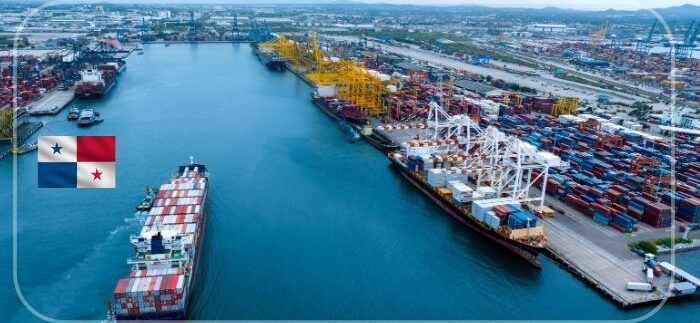
Panama and China have reached a consensus to renew their bilateral maritime transport agreement, an important step for two countries linked by shipping, ports and global trade.
The agreement dates back to 2017 and sets the framework for how Panamanian-flagged vessels are treated in Chinese ports. It covers port access, cargo operations, customs procedures, berthing, fees and recognition of vessel and crew documents.
The renewal is not yet formally complete, but both sides have agreed on the main terms and will now finish their internal procedures.
For Panama, the agreement protects the competitiveness of the world’s largest ship registry. Thousands of vessels sail under the Panamanian flag, and many of them operate regularly in China, even when their owners are based in other countries.
China is equally important to Panama’s wider maritime economy. It remains one of the largest users of the Panama Canal and is home to some of the busiest ports in the world. Clear and predictable rules between both countries help reduce delays, support shipping companies and strengthen confidence in Panama’s maritime services.
The agreement does not remove safety inspections. Chinese authorities may still inspect foreign vessels, while Panama remains responsible for maintaining strong technical and regulatory standards across its registry.
Its value lies in cooperation. A formal framework gives both governments a way to resolve technical issues, exchange information and maintain stable conditions for vessels operating between their maritime systems.
The renewal also reinforces Panama’s position as a neutral global shipping platform. The country’s maritime sector depends on serving companies from different regions under reliable international rules, and China remains one of its most important commercial partners.
5 Things to Know
-
Panama and China have agreed on the main terms. The renewal will become official once both governments complete their internal procedures.
-
The original agreement was signed in 2017. It regulates port access, customs, cargo operations, fees and maritime documentation.
-
China is essential to Panama’s maritime industry. Chinese ports are widely used by vessels registered in Panama, while China remains a major user of the Panama Canal.
-
Inspections will continue. The agreement supports equal treatment, but it does not exempt vessels from safety or regulatory controls.
-
The goal is stability. Predictable maritime rules help protect Panama’s ship registry and support smoother trade between both countries.