Panama’s Cruise Growth Is Becoming More Valuable, Not Just Larger
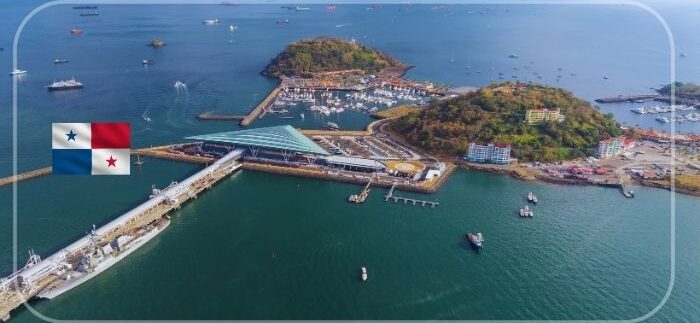
Panama recorded 460,156 cruise-passenger movements between January and May 2026, up 15.6% from the same period last year. That is a clear acceleration from 2025, when growth during the first five months was only 0.5%. January was the busiest month, with 140,783 passenger movements, which is consistent with a cruise season that normally runs from October through May.
The number is impressive, but it needs context. The Maritime Authority measures passenger movements through the port system, while the Tourism Authority counts cruise visitors entering through the principal terminals. The two figures are not interchangeable and should not be read as 460,156 unique tourists. From January through April, the ATP registered 220,813 cruise visitors, an 11.5% increase and roughly 17% of all international visitor entries during that period.
What matters more than the headline total is the growth of Panama as a homeport, where cruises begin and end rather than simply stop for a few hours. Royal Caribbean operated the Serenade of the Seas from Colón between October 2025 and April 2026 and followed it with the Grandeur of the Seas, scheduled to operate through April 2027. That helps explain why passenger activity has risen faster this year.
Homeport passengers are more valuable to the local economy because they often arrive by air, stay in hotels, use ground transportation and spend time in Panama before or after sailing. The ATP has previously estimated average local spending of about B/.100 for a transit cruise passenger, compared with approximately B/.350 for a homeport passenger, where hotel stays are more likely.
That distinction changes who benefits. A port call mainly supports excursions, guides, restaurants and retail near the terminal. A homeport operation spreads spending across airlines, hotels, transfers, supermarkets, travel agencies and other services. It also allows Panamanians and residents to board in Colón without first flying to Miami, Fort Lauderdale or another foreign departure port.
Panama has been building the infrastructure to support both models. The Panama Cruise Terminal in Amador can receive two vessels of up to 360 meters and approximately 5,000 passengers each at the same time. Colón remains central to Caribbean departures, while Canal itineraries continue to attract ships crossing between the Atlantic and Pacific. More than 195 Canal cruise transits were scheduled for the 2025–2026 season, including 41 Neopanamax vessels.
The scale of those ships is also changing. In February, the Disney Adventure, with capacity for roughly 6,700 passengers, became the largest cruise vessel by capacity and gross tonnage ever to transit the Panama Canal.That passage was a positioning voyage rather than a regular local departure, but it showed that Panama can handle a new generation of much larger passenger vessels.
Cruise growth is arriving alongside a broader tourism expansion. Panama received 1.29 million international visitors from January through April, up 16.4%, while tourism receipts reached US$2.64 billion, an increase of 15%. Cruise ports accounted for 17% of visitor entries, making the segment significant but still secondary to Tocumen International Airport.
The next step is not simply attracting more ships. Panama will gain more when passengers begin or end their journeys here, spend an extra night, visit the Canal or Casco Antiguo, and return later for a longer stay. The latest figures suggest that shift has begun.
Common Questions
Does the figure of 460,156 represent unique tourists? Not necessarily. It refers to passenger movements recorded by the Maritime Authority. Embarkations, disembarkations and other port activity may be included, so it should not be treated as a count of unique visitors.
Where do cruise ships dock in Panama? The main cruise facilities are Colón 2000 on the Caribbean side and the Panama Cruise Terminal in Amador on the Pacific. Other ships transit the Panama Canal without beginning or ending their itinerary in the country.
What is the difference between a homeport and a port of call? At a homeport, passengers board or leave the ship in Panama. At a port of call, the vessel stops temporarily before continuing its itinerary. Homeport operations generally create more local spending because they can involve flights, hotels and ground transportation.
When is Panama’s cruise season? The main season generally runs from October through May, although cruise operations and individual itineraries may occur outside that period.
Can residents take a cruise directly from Panama? Yes. Royal Caribbean operates Caribbean itineraries from Colón, allowing residents to begin their cruise locally rather than flying abroad first.