Aid From Panama Reaches Venezuela Through a Regional Humanitarian Hub
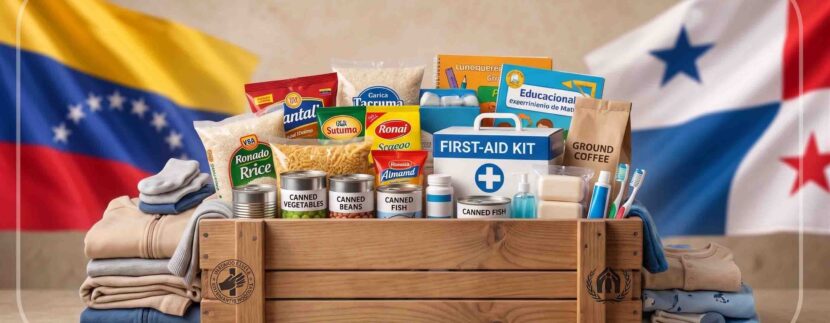
Panama’s response to Venezuela’s earthquake crisis has become one of the clearest examples of the country’s role as a humanitarian hub for the Americas.
The earthquakes struck Venezuela on June 24, leaving severe damage in areas including La Guaira, near Caracas.Telemetro reported that the death toll had risen to 1,943, while rescue teams from 30 countries continued searching for survivors.
Panama joined that international effort early. The country deployed more than 60 rescuers, including specialized units and trained rescue dogs, to support search and rescue work in Venezuela. A second Panamanian team was sent days later, along with tons of provisions.
The aid effort has also moved through Panama Pacífico, where authorities processed more than 200 tons of humanitarian assistance donated by Panamanians, Venezuelans living in Panama, and residents from other communities. Earlier shipments included 17 tons of provisions, with food, water, hygiene products, and emergency supplies.
This is where Panama’s logistics role matters. The Centro Logístico Regional de Asistencia Humanitaria, known as the CLRAH, was designed to help coordinate, store, and move humanitarian aid across Latin America and the Caribbean. Earlier this year, Panama’s Ministry of Government described the country as working to consolidate its position as the main Humanitarian Hub of the Americas.
Holda Álvarez de Marré, executive director of the CLRAH, described the center’s mission as one based on cooperation and speed: “These meetings reaffirm our commitment to strategic alliances with states and international organizations to guarantee fast, neutral, reliable, and efficient responses in emergency situations.”
The response has not been limited to government action. Tigo Panamá and +Móvil opened free call options to Venezuela, helping families stay in contact. The Panamanian Consulate in Caracas is also working to locate a Panamanian citizen reported missing after the earthquakes.
Solidarity is also coming from citizens and businesses. This Saturday, July 4, La Arepería on Vía España will host ArepaSOS: Una Arepa por Venezuela, a 12-hour fundraiser where chefs from Panama, Venezuela, and other countries will prepare arepas to raise money for World Central Kitchen’s relief work.
The tragedy in Venezuela is still unfolding, but Panama’s response shows something important: aid can move quickly when institutions, logistics, companies, volunteers, and communities work in the same direction.
For the Venezuelan community in Panama, the effort is personal. For Panama, it is also a reminder of the role the country can play in the region, not only as a business and travel hub, but as a place where help can be organized and sent when it is needed most.
5 Things You Should Know
-
How many people have died in Venezuela’s earthquakes? Telemetro reported that the death toll had risen to 1,943.
-
How is Panama helping? Panama sent more than 60 rescuers, rescue dogs, provisions, and humanitarian aid to support the emergency response.
-
What role does Panama Pacífico play? More than 200 tons of humanitarian aid have been processed there, using Panama’s logistics capacity to move supplies toward Venezuela.
-
What is the Humanitarian Hub of the Americas? It refers to Panama’s role through the CLRAH, a logistics center created to coordinate, store, and mobilize humanitarian aid for Latin America and the Caribbean.
-
How can people in Panama help? People have helped through donation centers, free call initiatives, and events like ArepaSOS, which will raise funds for World Central Kitchen’s food relief work in Venezuela.