Panama’s Tourism Surge Reaches 17.3%
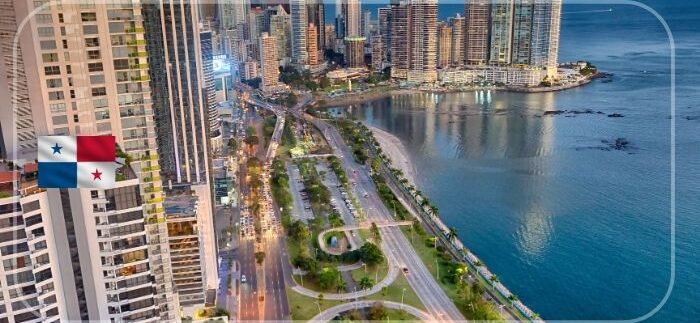
Panama’s tourism story is starting to look bigger than tourism. A record-breaking first quarter, $2 billion in economic impact, and a pipeline of world-class development projects converging at exactly the right moment.
In the first quarter of 2026, the country came close to one million international visitors, a 17.3% increase over the same period last year, with more than B/.2 billion circulating through the economy. Those are not just strong numbers. They suggest a country gaining momentum in visibility, mobility, and international appeal.
That matters because tourism growth in Panama rarely stays confined to hotels and airlines. It tends to spill into neighborhoods, beach destinations, and the broader appeal of Panama real estate. As more people arrive, more of them begin to understand the range the country now offers, from urban living in Panama City to coastal and wellness-driven destinations across the country.
“While the Canal connects the world by sea, tourism connects Panama with the world through people, investment, culture, and development.” — Gloria De León, Administrator, Autoridad de Turismo de Panamá
The tourism authority also highlighted 86 confirmed and incentivized events for 2026, expected to bring more than 58,000 additional visitors. At the same time, Panama’s international promotion network generated over 14,000 incremental passengers, reinforcing the idea that the country is gaining traction across multiple channels, from business travel to leisure and events.
That kind of traffic does more than fill hotel rooms. It creates familiarity. And familiarity is often the first step toward deeper interest in a market.
That is where the real estate story begins to sharpen.
In Panama City, projects such as MOVA by B&B Italia are rising at a moment when the capital is becoming more international, more design-conscious, and more connected to both business and lifestyle travel. The future CAF headquarters, set to become the institution’s largest office in Latin America, adds to that broader shift in the city’s profile and reinforces the sense that Panama’s urban core is entering a new phase.
Along the Pacific coast, destinations such as Playa Caracol continue to benefit from growing interest in accessible beachfront living within reach of the capital. Further south, Vervana reflects another side of the market, one shaped by wellness, destination-driven hospitality, and a more intentional lifestyle. Nayamara belongs to the city story, but from a different angle, tied to waterfront living and the continuing evolution of Panama City as a place where lifestyle and investment increasingly overlap.
What makes this moment notable is not only the number itself. It is the direction behind it.
Tourism growth means more people experiencing Panama firsthand. A business trip becomes an extended stay. A convention visit becomes a second look at the city. A beach weekend becomes a conversation about buying. That is often how international interest in Panama real estate begins.
Panama has long had the fundamentals: connectivity, a dollar-based economy, and a strategic location in the Americas. What the first quarter of 2026 suggests is that the audience is widening.
And when that happens, the effects tend to show up across the market.