Panama’s Fourth Bridge Moves Forward
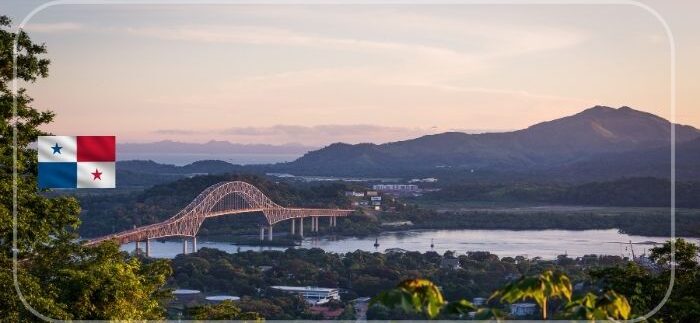
Panama has approved a redesign for the eastern interchange of the Fourth Bridge over the Canal, pushing the total cost of the project to $2.387 billion and reinforcing the government’s intention to make this one of the country’s most important long-term infrastructure upgrades.
For an international audience, the technical details matter less than the larger picture. This is one of the biggest connectivity projects in Panama, designed to improve the flow between Panama City and the western side of the metropolitan area, a corridor that has become increasingly important for housing, lifestyle migration, and future growth.
The bridge is still expected to be delivered in December 2028, and authorities say the redesign is meant to avoid future congestion and improve how traffic is distributed once the structure is in operation. In other words, Panama is not simply building a bridge. It is trying to build a more functional connection between the capital and one of its fastest-growing surrounding regions.
That is good news for buyers and investors looking beyond the city center.
Stronger road infrastructure helps bring destinations closer, both practically and psychologically. For clients exploring Panama real estate outside Panama City, better connectivity supports the long-term appeal of coastal, mountain, and lifestyle-driven markets. That includes places such as Playa Caracol, which continues to benefit from improved access to the Pacific coast, as well as Boquete, where demand for mountain living, second homes, and hospitality investment continues to grow. It also supports the broader case for destinations like Vervana, where international buyers are looking not only at lifestyle, but at how easily Panama’s different regions connect to the capital and to one another.
Infrastructure stories like this rarely feel glamorous at first. But over time, they tend to shape how a country grows and how its real estate markets evolve. Better roads, better access, and more efficient movement make a difference. They expand the practical reach of the capital and strengthen the value of destinations that once felt farther away.
Panama has always had geography on its side. Projects like this help make that geography work better.