Panama’s Global Profile Gets a Boost
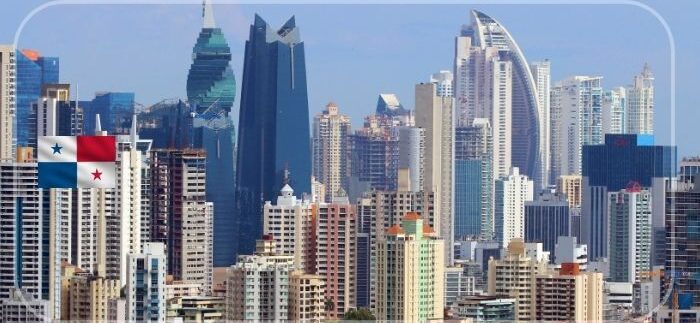
A recent Forbes article places Panama City alongside Singapore and Dubai, calling it a new symbol of global prosperity. The comparison rests on something Panama has been building for years: a city shaped by trade, banking, and transportation, and by a strategic geographic position that gives it influence well beyond its size.
What makes the comparison especially interesting is the contrast beneath it. Panama may share the global-hub logic of those cities, but it remains more accessible to international buyers, investors, and expats. That has become part of its appeal.
Panama has long had the fundamentals: a dollarized economy, global logistics relevance, and one of the region’s most connected airports. Recognition like this brings those advantages into a sharper international frame. Panama is no longer seen only as a convenient jurisdiction or a regional hub. It is increasingly understood as a place where wealth, lifestyle, and long-term positioning can come together.
That perspective helps explain why Panama’s residential landscape has become more layered.
In Panama City, MOVA by B&B Italia reflects a more design-driven urban future, one tied to walkability, mixed-use living, and the kind of architectural ambition usually associated with more established global capitals. In Santa María Golf & Country Club, Bosco represents another side of the market, where greenery, privacy, and lower-density living are becoming central to the luxury conversation. In the historic district, Gran Central speaks to a different form of urban appeal, one connected to heritage, culture, and the continued reinvention of one of the city’s most distinctive quarters.
Taken together, these developments suggest that Panama’s real estate story is no longer moving in one direction alone. It is expanding across multiple lifestyles and geographies while remaining anchored to the same larger narrative: accessibility, strategic relevance, and room to grow.
Panama offers the profile of a global hub without the same barriers to entry found in many other cities now competing for international capital. That gap between prestige and accessibility may be one of its strongest advantages.
Forbes did not create Panama’s momentum. It simply gave it a clearer name.