Why Panama Remains One of the World’s Best Places to Retire
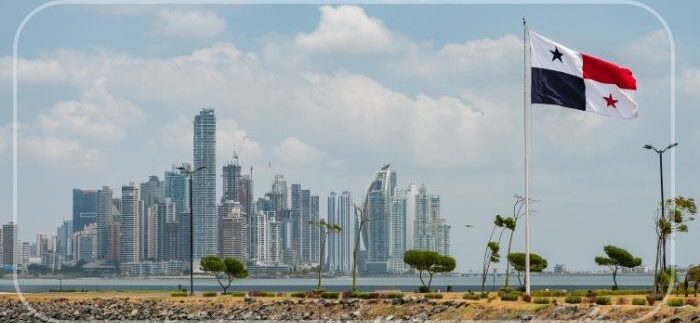
Panama has been ranked the second-best country in the world for retirement in 2026, behind Greece and ahead of Costa Rica, Portugal, and Mexico.
The ranking comes from International Living’s Global Retirement Index, which has been reported by Forbes and other international publications. It evaluates housing, healthcare, climate, cost of living, visas, infrastructure and the experiences of foreign residents.
Panama’s position is not new. It ranked first in 2025 and has remained near the top of international retirement lists for years. Its advantage is not based on a single benefit, but on a combination of residency options, a dollarized economy, international connectivity, private healthcare and several distinct lifestyles within a relatively small country.
More Than a Warm Climate
Panama’s Pensionado program remains one of its strongest attractions. Foreign retirees can apply for permanent residency by demonstrating a qualifying lifetime pension of at least $1,000 per month, subject to official immigration requirements.
Foreigners can also own most property with rights similar to those of Panamanian citizens. The use of the U.S. dollar eliminates currency-conversion concerns for many North American retirees, while Tocumen International Airport provides direct connections throughout the Americas and Europe.
Expatriate surveys offer another measure of Panama’s appeal. In a recent InterNations study, more than one-third of respondents living in Panama were retired, far above the global average, while a large majority reported being satisfied with life in the country. These figures represent survey participants rather than a national census, but they reflect the importance of international retirees within Panama’s expat community.
One Country, Several Retirement Lifestyles
Panama allows retirees to choose between city, mountain and coastal living without giving up access to the capital and international travel.
Panama City appeals to those who prioritize private hospitals, restaurants, international flights and full-service residential buildings. Punta Pacífica, Avenida Balboa, Costa del Este and El Cangrejo offer different combinations of walkability, ocean views and urban convenience.
Boquete remains the country’s best-known mountain destination, with a cooler climate, outdoor activities and an established international community.
Coronado and the Pacific beach corridor provide coastal living within reach of Panama City, while El Valle de Antón combines a greener mountain environment with relative proximity to the capital.
Farther west, Pedasí, Chitré and Santa Catalina attract people seeking smaller communities, lower-density living and closer access to nature. Healthcare, transportation and infrastructure vary considerably, making location research essential before relocating.
What Retirees Say
The rankings are supported by the experiences of foreigners already living in Panama.
In an InterNations survey, one European resident in Panama City described life as relaxed and highlighted the friendliness of Panamanians and the sense of personal safety. More than one-third of respondents said they expected to remain in the country permanently.
American retirees Fred and Karen Fleet provide a longer-term example. After moving to Panama in 2005, they purchased beachfront property and built a home. Years later, they continued to emphasize the country’s cultural diversity and the welcoming reception they received from local residents.
Individual experiences differ, but these accounts point to an important part of Panama’s appeal: many retirees do not simply come for lower costs or immigration benefits. They stay because they establish communities and build long-term lives here.
What Prospective Retirees Should Consider
Panama can be more affordable than many North American cities, but it is not inexpensive everywhere. Premium neighborhoods in Panama City and established beach communities can carry higher housing, dining and service costs.
Healthcare also requires planning. Panama City offers strong private hospitals and many bilingual physicians, but Medicare generally does not cover routine treatment outside the United States. International insurance may also become more expensive or restrictive with age and pre-existing conditions.
Renting before buying remains the most practical approach. Prospective residents should experience the rainy season, compare healthcare access and determine whether city, mountain or coastal living best suits their everyday needs.
Panama’s continued presence near the top of global retirement rankings reflects more than affordability. It offers retirees the ability to design very different lives without giving up the connectivity and services that make an international move manageable.
What to Know
Did Forbes create the ranking? No. The list comes from International Living’s Global Retirement Index and was reported by Forbes and other publications.
Where did Panama rank? Panama placed second, behind Greece and ahead of Costa Rica, Portugal and Mexico.
Was Panama ranked before? Yes. Panama ranked first in 2025 and has appeared near the top of the index repeatedly.
How much pension income is required? The standard requirement is a qualifying lifetime pension of at least $1,000 per month, subject to current immigration rules.
Where do retirees usually live? Popular choices include Panama City, Boquete, Coronado, El Valle de Antón, Pedasí, Chitré and Santa Catalina.
How many expatriates in Panama are retired? Recent InterNations survey data indicates that more than one-third of respondents living in Panama were retired. It is survey data, not a national population count.